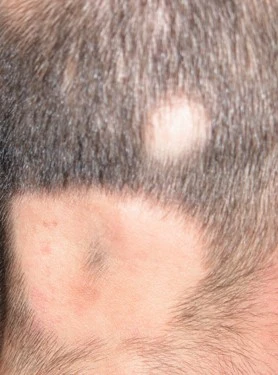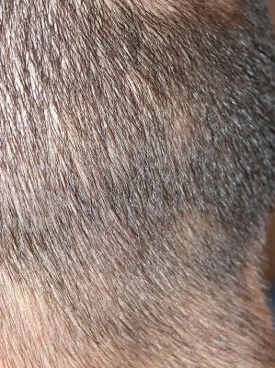
What Is Alopecia Areata?
Alopecia areata is an autoimmune disorder in which the immune system mistakenly targets actively growing hair follicles.
It causes round or oval patches on the scalp but may also affect the beard, eyebrows, eyelashes, and other hair-bearing areas. The disease can occur at any age and follows an unpredictable course.
In alopecia areata, the hair follicle remains structurally intact. However, immune-mediated inflammation disrupts the normal hair growth cycle. This makes early and targeted intervention an important consideration in clinical management.
Symptoms
- Can affect any hairy area but most commonly affects the scalp and beard.
- Hair loss in random patches.
- Amount of hair loss varies from one person to another.
- Hair becomes thinner.
- Burning or itching sensation.
Predisposition
- Family history of AA or autoimmune diseases.
- Diabetes type 1.
- Celiac disease.
- Can be associated with other autoimmune diseases such as Hashimoto's thyroiditis, etc.
Treatment with Excimer Light
Targeted 308-nm excimer light is an established treatment option for localized alopecia areata. By delivering light only to affected areas, it helps modulate the local immune response.
Clinical studies have shown that targeted phototherapy can promote hair regrowth in appropriately selected patients. Depending on the clinical presentation, 308-nm excimer light may be used as a standalone treatment or in combination with topical therapies.
Before and After
Photos unretouched. Individual results may vary.
Courtesy of Instytut Trychologii
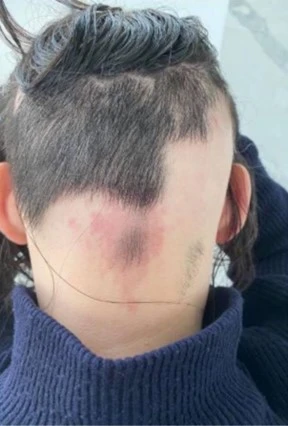
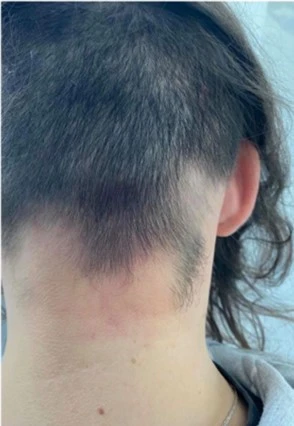
Courtesy of Astera Clinic
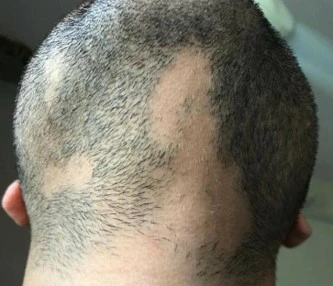
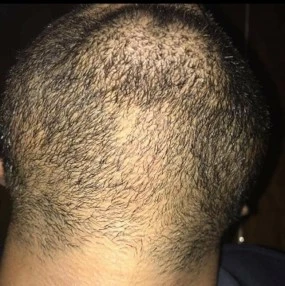
Courtesy of Magdalena KULIK
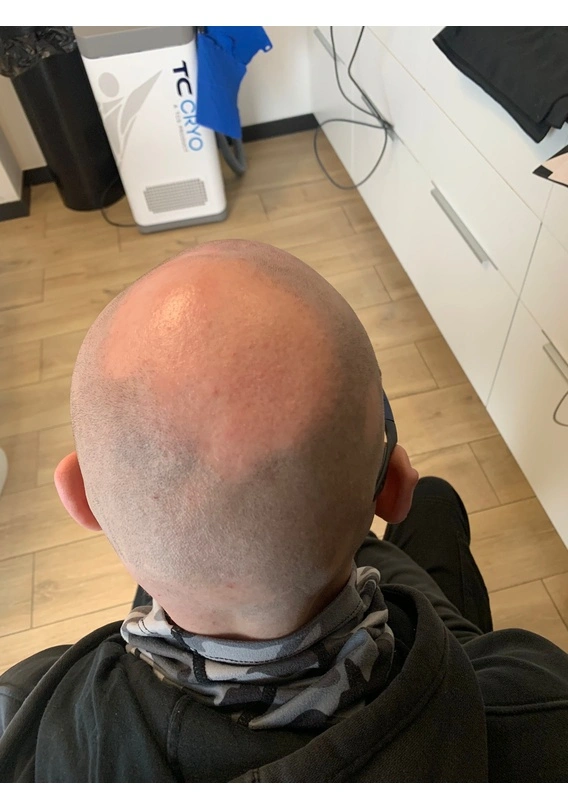
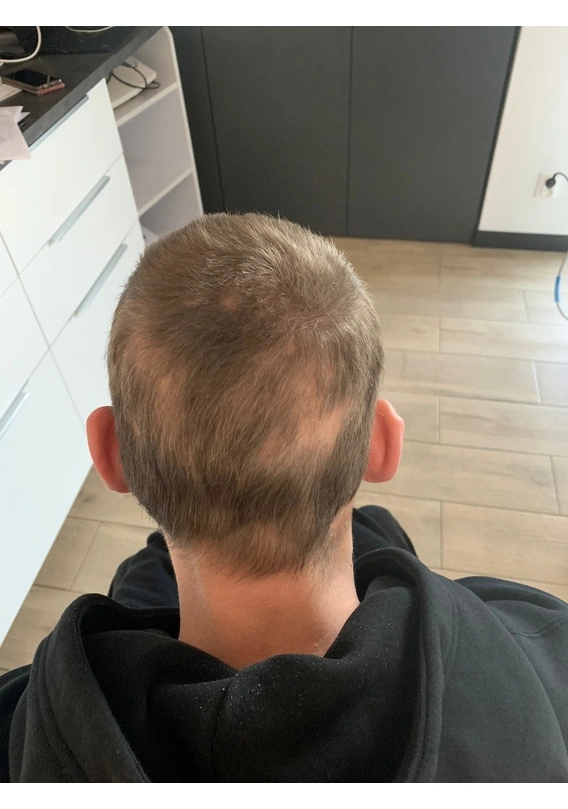
Courtesy of Dr Masamichi KAKIO
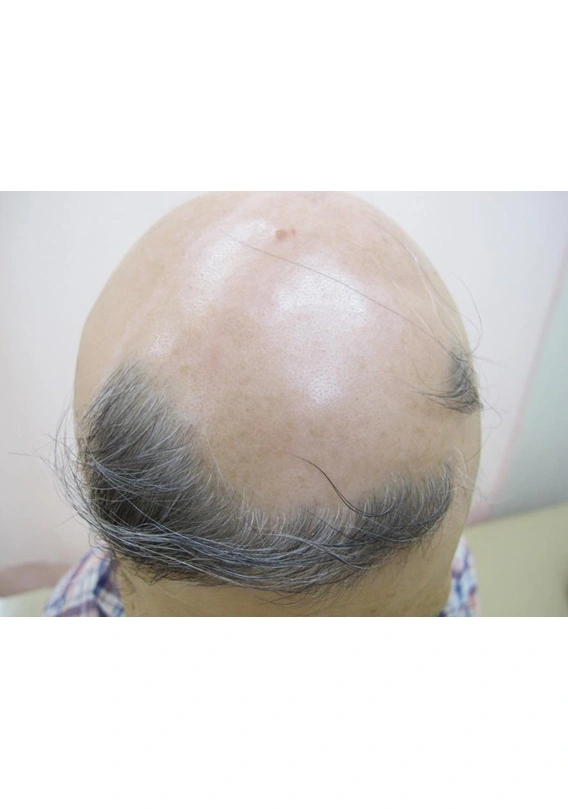
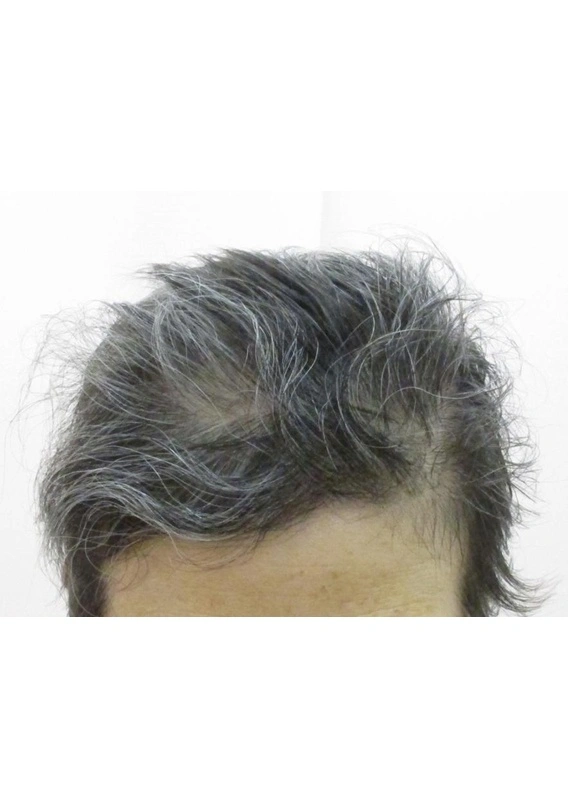
Courtesy of Pr Thierry PASSERON