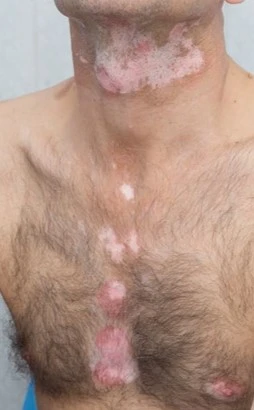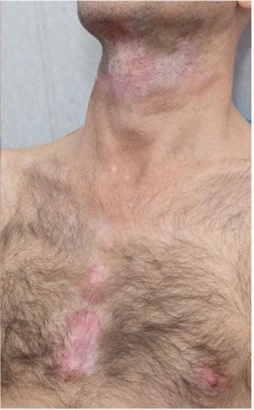
What Is Vitiligo?
Vitiligo is an acquired depigmentary disorder characterized by white/depigmented patches on the skin due to the loss of functional melanocytes. Melanocytes are the cells responsible for the production of melanin (skin color). Exact cause remains today unknown. But we know that vitiligo is an autoimmune disease.
It affects around 80 Millions of people worldwide. It can reach indiscriminately men, women, and children at any age. It affects any phototype even though darker skin types might be more affected by the discoloration effect since it is more visible. This disease is neither infectious nor contagious and is not painful. Contrary to popular misconceptions, vitiligo is not just a cosmetic issue, it is a serious autoimmune skin disease, psychologically devastating and socially isolating
There are different types of vitiligo such as vitiligo vulgaris, focal, segmental, or generalized. Each type/form should be evaluated by a dermatologist before the start of any treatment. Several symptomatic treatments are available to reduce or stabilize the disease, however, to this date, there is no cure for vitiligo.
Symptoms
- White patches on the skin, though not all white patches are vitiligo.
- Premature graying of hair.
- Loss of color in the tissues inside the mouth and nose.
- Sensitivity to the sun.
- Exposed Areas are often more involved.
Predisposition of Vitiligo
- Family history of vitiligo, or autoimmune diseases, in more or less 30% of patients.
- Thyroid dysfunction.
- Can be triggered by physical or emotional stress.
Treatment with Excimer Light
Targeted 308-nm excimer light delivers high-intensity monochromatic UVB directly to depigmented lesions. It avoids unnecessary exposure of surrounding healthy skin. This localized approach allows treatment to focus only on areas affected by vitiligo.
The therapy helps suppress the autoimmune activity which is responsible for melanocyte destruction. Clinical evidence has shown that regular treatment can achieve meaningful repigmentation, particularly in patients with localized disease.
Before and After
Photos unretouched. Individual results may vary.
Courtesy of Dr. Swapnil SHAH
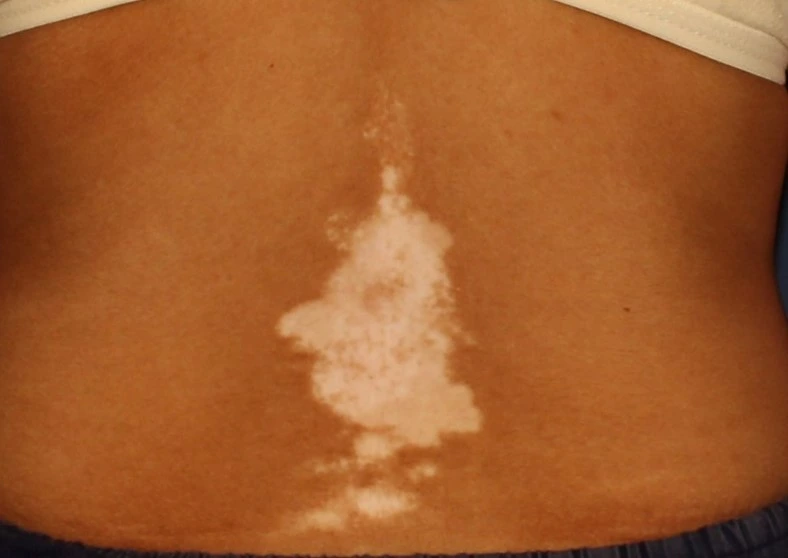
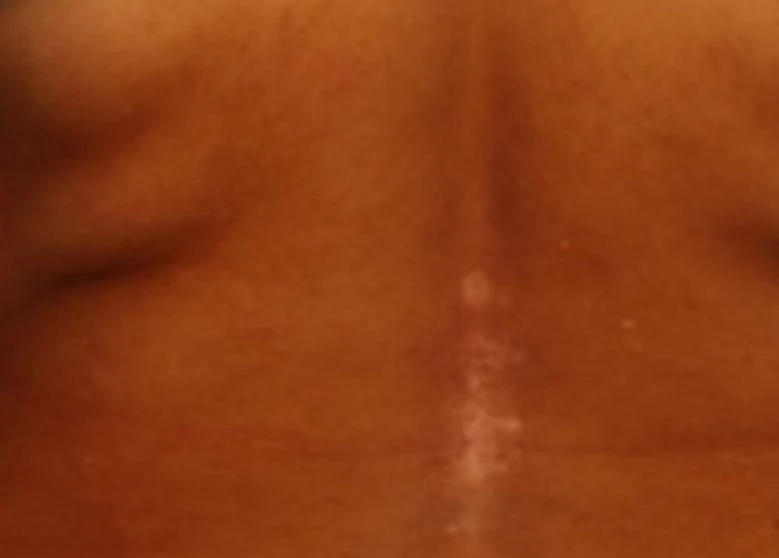
Courtesy of Pr Thierry PASSERON
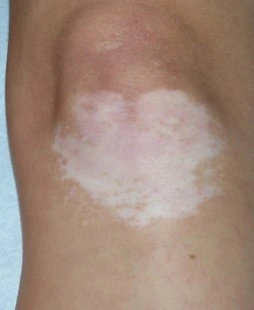
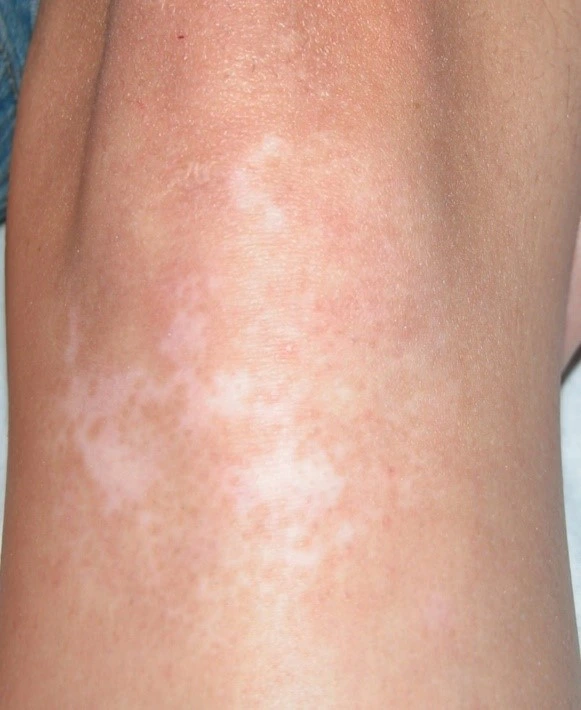
Courtesy of Dr Dalia RODRIGUEZ
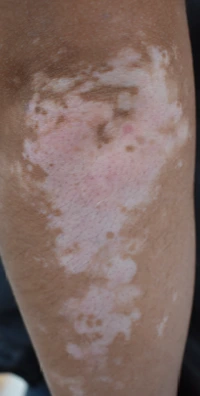
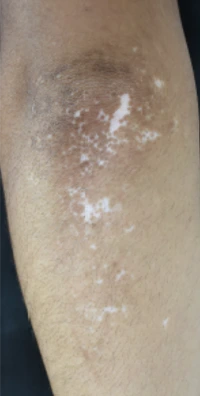
Courtesy of Dr. Ajay DESHPANDE
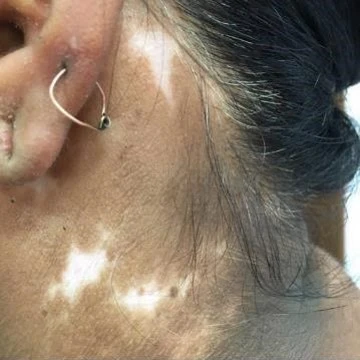
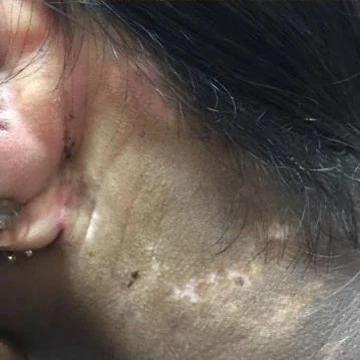
Courtesy of Dr Rita